Illuminating Submerged Subjects Underwater
Navigating the complexities of underwater photography calls for a solid grasp of its unique challenges, particularly in relation to light and water properties. Let's dig deeper into these elements to elevate your underwater photography skills.
Water Properties
Photographing below the water surface isn't a walk in the park, primarily due to the peculiarities of good old H2O:
- Water has a different refractive index than air, making judgements of distances a headache. Objects can appear enlarged through your mask, appearing 25% bigger due to this refractive index difference.
- Light absorption is a key consideration here, with the depths sucking up those precious light rays. And here's the twist: reds are absorbed faster than blues, giving your underwater shots a strong blue-green color cast and robbing your images of their warm tones.
- Water sucks the life out of sharp images. Contrast and sharpness in photos? Gone with the current. To combat this, you'll want to get as close as possible to your subject.
Quality of Light
The quality of the light is decisive when it comes to underwater photography. Here are some essential factors you should know:
- Light sources: Your strobes, dive lights, focus lights, and the sun play a role in shaping the quality of the light. It's not just about brightness; color, direction, and softness all come into play.
- Difficulty levels: Shooting in low light can be a beast, but it also offers creative possibilities like panning and showcasing motion.
- Light manipulation: Adjusting flash or diffusing it can help you play around with the quality of the light to achieve the desired results.
Strobe Positioning
Before you press that shutter button, check out our tutorial series on Underwater Strobe Positioning.
Ambient Light
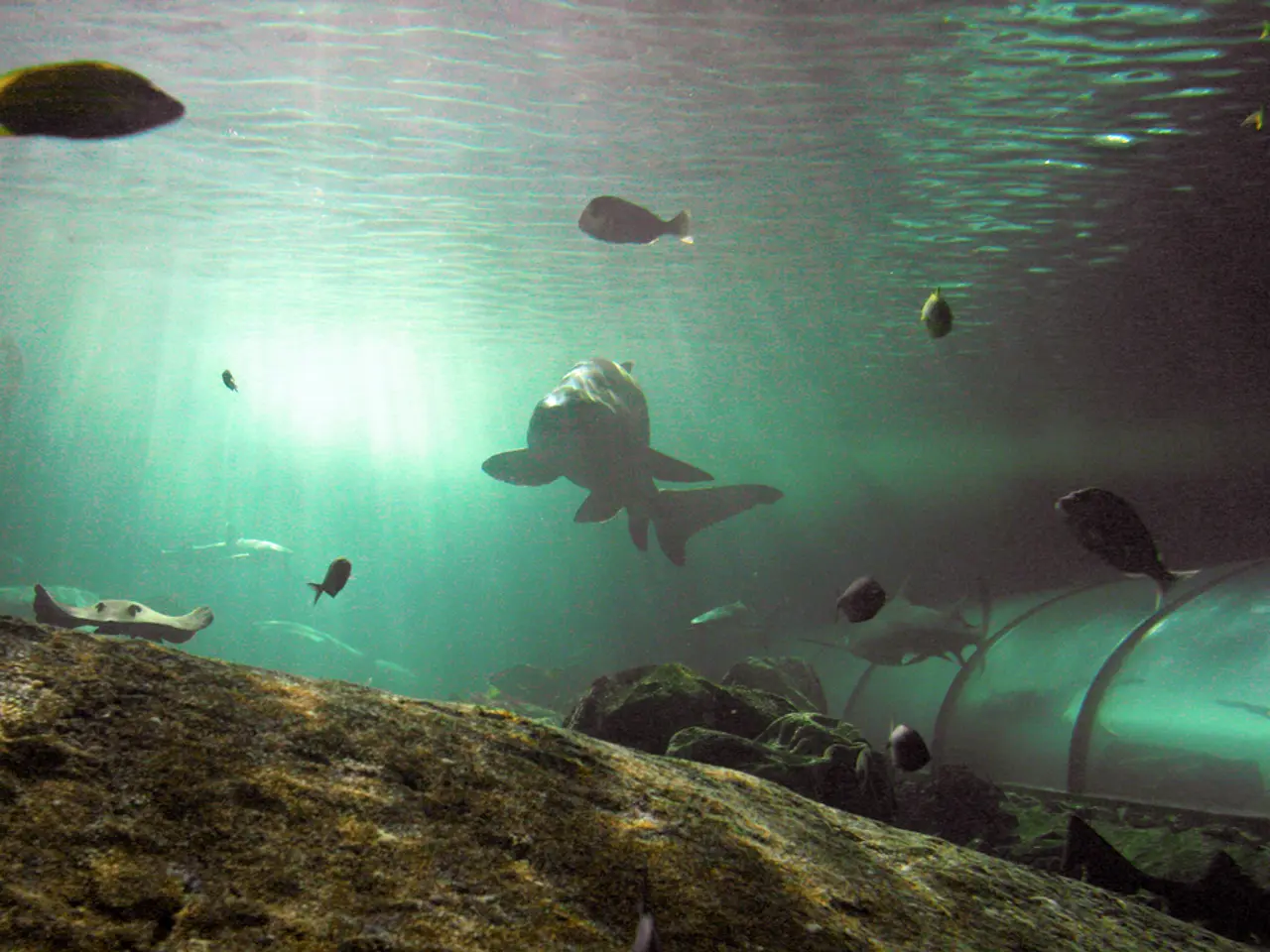
Blink and you might miss them; that's how fast ambient light disappears when you dive deeper. The quality and intensity of ambient light impact exposure and colors; controlling it is crucial to capturing sharp, well-colored shots.
Here's a snapshot of our recommended underwater strobes for 2025:
- Sea & Sea YS-D3 II underwater strobes
- Ikelite DS230 underwater strobes
- Ikelite DS232 underwater strobes
- Marelux Apollo S underwater strobes
- Marelux Apollo III 2.0 underwater strobes
- Ikelite DS165 underwater strobes
- Ikelite RC165 underwater strobes
- Ikelite Ecko Fiber underwater strobes
- Ikelite Ecko DS underwater strobes
- Scubalamp D-Pro underwater strobes
- Sea & Sea YS-D3 Duo underwater strobes
Knowledge is power, so understanding the intricacies of light and water properties in underwater photography is essential to mastering the art.
[1] Water properties impact image quality: https://www.seasub.co.uk/blogs/reefblog/refraction-abberation
[2] How water affects underwater photography: https://www.scubaaquatics.com/underwater-photography-2/
[3] Understanding light in underwater photography: https://en.wusf.usf.edu/news/manipulating-light-underwater-photography-workshops
[4] Balancing ambient and strobe light in underwater photography: https://dpgphotography.com/photo-tutorials/underwater-photography-tips-shooting-strobe-and-ambient-light-at-the-same-time
[5] Aperture and depth of field in underwater photography: https://www.divephotoguide.com/aperture.asp
- Understanding the unique challenges of underwater photography, such as water properties, is vital to mastering the art.
- water has a different refractive index than air, making judgements of distances problematic and causing objects to appear enlarged.
- Light absorption is a significant factor in underwater photography, as reds are absorbed faster than blues, creating a strong blue-green color cast and robbing images of warm tones.
- Water reduces sharpness and contrast in photos, making it essential to get as close as possible to the subject to achieve clear images.
- Strobe positioning plays a crucial role in the quality of underwater photography; understanding the correct placement can enhance your photos significantly.
- Ambient light, though invisible to the naked eye in deeper waters, influences exposure and colors and must be controlled for sharp, well-colored shots.
- Technology, including strobes like the Sea & Sea YS-D3 II and gadgets like Ikelite DS230, can help you manipulate light and ambient conditions to capture stunning underwater photography.